
The Physical Toll of FIFO Work on Your Body. How Remedial Massage Can Help?
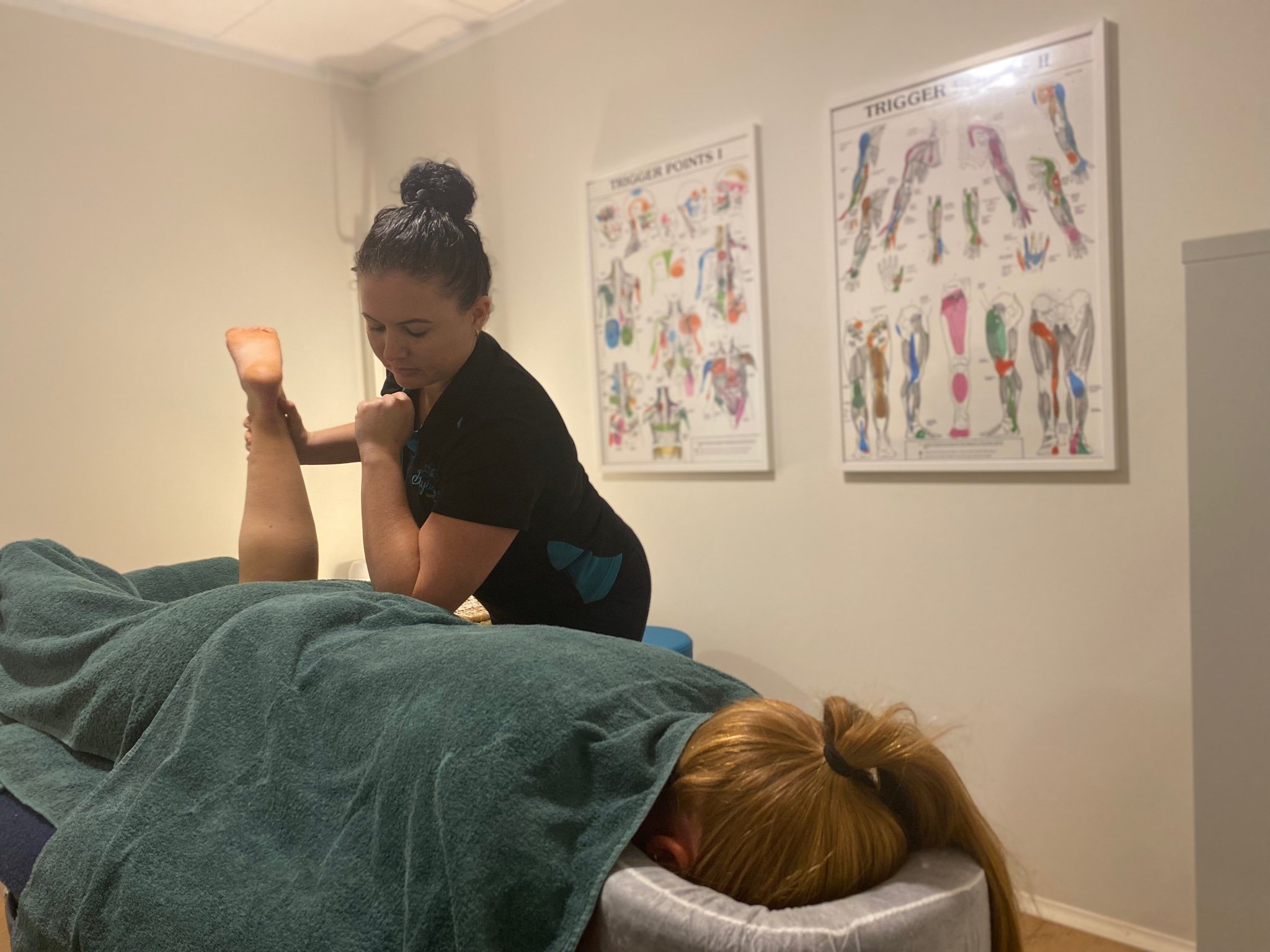
FIFO work can be tough on the body. Long shifts, repetitive movements, heavy physical work, extended periods sitting in machinery and disrupted routines can all contribute to muscle tension, stiffness and general fatigue.
When you're working long days for weeks at a time looking after your body can easily fall down the priority list. But over time those little aches and tight spots can start to affect how you move, work and recover.
Why Is FIFO Work So Hard on the Body?
FIFO workers can spend long periods performing the same tasks, operating machinery, driving, lifting, bending or working in physically demanding positions.
Common areas of tension include:
Neck and shoulders
Lower back
Hips and glutes
Hamstrings
Forearms and hands
Knees and legs
Even jobs that involve a lot of sitting can be physically demanding. Spending hours in a truck, loader or other machinery means your body remains relatively still while dealing with vibration and repetitive movements.
Long Shifts and Repetitive Work
Working 10–12+ hour shifts doesn't always give your body much opportunity to recover during the day.
Repeating the same movements over and over can leave certain muscles feeling tired, tight and overloaded. You may finish your swing with a stiff lower back, tight shoulders or generally feel like your body needs a reset.
Sitting for Long Periods
Not all FIFO roles involve heavy lifting. Many workers spend a large part of their shift sitting in trucks, machinery or control rooms.
Long periods of sitting can contribute to stiffness through the lower back, hips and legs, particularly when you're unable to change position regularly.
Combine this with vehicle vibration and long shifts, and it's understandable why your body might feel stiff when you finally get up and move.
Sleep and Recovery
Recovery can also be challenging when working FIFO.
Early starts, night shifts, changing sleep schedules and long working days can make it harder to maintain a consistent routine.
When your body isn't getting enough opportunity to recover, you may notice increased fatigue, stiffness and general soreness.
How Can Remedial Massage Help FIFO Workers?
Remedial massage can be a valuable addition to your recovery routine.
Rather than simply treating the area that feels sore your therapist can assess your muscles and movement to identify areas of tension that may be contributing to your discomfort.
Depending on your individual needs remedial massage may help with:
Managing muscular tension and stiffness
Improving your sense of mobility
Supporting recovery after physically demanding work
Addressing tight or overworked muscles
Helping you relax and unwind after a demanding swing
Treatment can be tailored to the physical demands of your particular job and the areas where you're experiencing the most tension.
Don't Wait Until You're in Pain
It's common to ignore little aches and pains when you're busy working especially when you're trying to get through a swing.
But looking after your body doesn't have to start only when something hurts.
Regular movement, strength training, mobility work, adequate sleep and recovery can all help your body cope with the demands of FIFO work. Remedial massage can form part of that overall approach.
Look After the Body That Gets You Through Your Swing
Your body works hard while you're away at work. Giving it time to recover when you're home can help you feel ready for the next swing.
Whether you're dealing with tight shoulders, a stiff back, tired legs or general muscular tension, remedial massage can be a great way to give your body some attention and support your recovery.
You service and maintain the equipment you rely on at work — don't forget to look after yourself too!
