
Why Should You Stand Up More
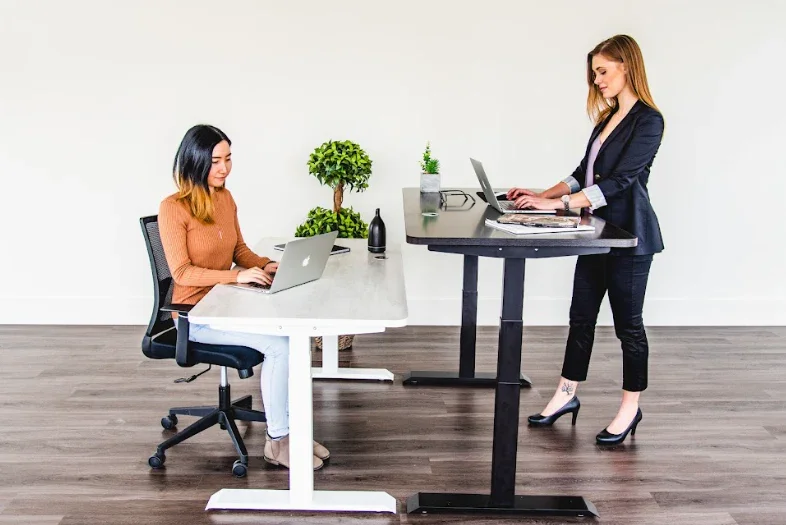
The Health Risks of Sitting Too Long: Why You Should Stand Up More
In today's digital age, sitting for prolonged periods has become a common part of daily life. Whether you're working at a desk, binge-watching your favourite series, or scrolling through your phone, many of us spend hours sitting each day. While sitting might seem like a harmless activity, research reveals that prolonged sedentary behaviour can lead to a range of serious health issues.
Here’s a deeper look at the health problems caused by sitting too long and what you can do to protect your health.

Weight Gain and Obesity
One of the most immediate consequences of sitting for long stretches is weight gain. Sitting for extended periods reduces the number of calories you burn. The more you sit, the fewer calories you expend, and over time, this can contribute to weight gain. The body’s metabolism slows down when you sit too much, which affects fat burning and may lead to the accumulation of unhealthy body fat.
What to Do:
Stand up every 30 minutes.
Consider using a standing desk or an adjustable work surface.
Incorporate short bursts of activity throughout the day, such as taking the stairs or going for a brisk walk.
Increased Risk of Heart Disease
Sitting for long periods has been linked to an increased risk of heart disease. Studies show that the more time you spend sitting, the greater the risk of developing heart conditions like cardiovascular disease. When you sit, blood circulation slows down, and this can lead to higher blood pressure, elevated cholesterol levels, and increased inflammation—all of which are risk factors for heart disease.
What to Do:
Take regular breaks to walk around or stretch.
Exercise regularly, focusing on cardio activities like walking, jogging, or cycling.
Try to incorporate 150 minutes of moderate-intensity aerobic exercise into your weekly routine.
Poor Posture and Back Pain
When you sit for long periods, especially with poor posture, it places strain on your spine, muscles, and joints. The muscles in your back, neck, and shoulders can weaken and become stiff, leading to discomfort and chronic pain. Over time, this can result in long-term spinal issues, such as herniated discs, and exacerbate conditions like sciatica.
What to Do:
Maintain good posture—sit with your feet flat on the floor and your back supported.
Make ergonomic adjustments to your workspace, such as using a chair with proper lumbar support.
Stand up, stretch, and walk around to keep your body moving throughout the day.
Diabetes and Insulin Resistance
Prolonged sitting is associated with an increased risk of type 2 diabetes. When you sit for long periods, your body’s ability to regulate blood sugar decreases, leading to insulin resistance. This means your body becomes less effective at processing glucose, which can result in elevated blood sugar levels over time and an increased risk of developing type 2 diabetes.
What to Do:
Try to take breaks every 30 minutes to stand up and move around.
Engage in regular physical activity to help improve insulin sensitivity.
Focus on a balanced diet that helps control blood sugar levels, emphasizing whole foods and fiber-rich meals.
Muscle Weakness and Joint Stiffness
Prolonged sitting can lead to muscle weakness and joint stiffness, particularly in the hips, legs, and lower back. Sitting for long periods causes certain muscles to remain in a shortened position, leading to tightness and loss of flexibility. For example, sitting can shorten your hip flexors, which may lead to difficulties when standing up or walking.
What to Do:
Incorporate stretching and mobility exercises into your routine.
Try dynamic movements like walking or stretching every 30 minutes.
Practice yoga or pilates to improve flexibility and strength.
Mental Health Issues: Anxiety and Depression
There’s a growing body of research suggesting that prolonged sitting is linked to poorer mental health. Sitting for too long can negatively impact your mood, and may contribute to feelings of anxiety and depression. This may be due to a combination of physical inactivity, lack of social interaction, and the effects of sitting on neurotransmitters that regulate mood.
What to Do:
Engage in regular physical activity, as exercise has been shown to reduce symptoms of anxiety and depression.
Consider standing or walking while you work or talk on the phone.
Make time for social interactions and activities that help boost your mood.
Blood Clots and Deep Vein Thrombosis (DVT)
When you sit for prolonged periods, particularly on long flights or car rides, you’re at risk for developing blood clots, including deep vein thrombosis (DVT). Sitting still for too long can impede blood flow in the legs, leading to the formation of clots that may travel to the lungs or heart, causing life-threatening complications.
What to Do:
If you’re sitting for extended periods, move your legs every 30 minutes. Stand up, stretch, or walk around.
When traveling, especially on long flights or road trips, do leg exercises to stimulate blood flow.
Drink plenty of water to stay hydrated, as dehydration can increase the risk of clotting.
The dangers of sitting for too long are real and significant, but they are also preventable. Small changes—like standing up regularly, stretching, and incorporating physical activity into your day—can help counteract the negative effects of a sedentary lifestyle. By becoming more aware of how long you sit and making a conscious effort to move more, you can reduce your risk of developing serious health problems. Remember, it’s not about completely eliminating sitting from your life—it’s about balance. By mixing in periods of movement throughout the day, you can improve your overall health and well-being, one step at a time. So, next time you feel the urge to sit, take a moment to stand up and stretch—your body will thank you!
